Vitamin E: antioxidant protection for cells
Vitamin E is a fat-soluble nutrient with antioxidant activity. It helps protect cells from damage caused by free radicals, substances formed during normal body processes and also encountered in the environment.
3 min read
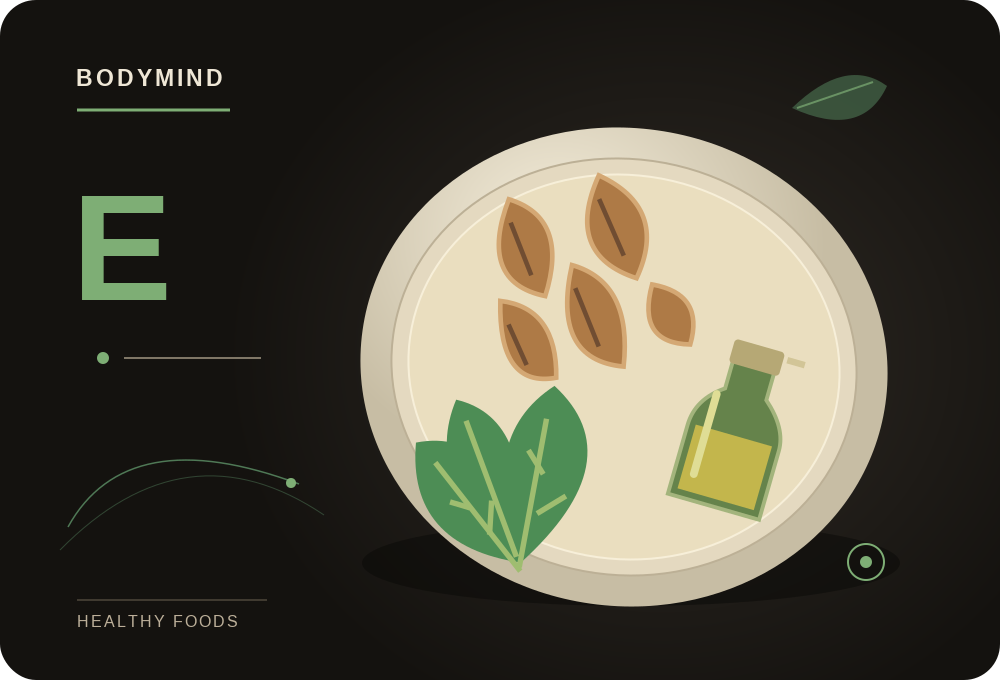
Understand the nutrient
Vitamin E is associated with antioxidant activity in cells, but that term needs explanation. It describes a biological role without guaranteeing youth, disease prevention, or an automatic product advantage. Nuts, seeds, and vegetable oils bring the discussion back to everyday food.
What it does
Choose an icon to explore its role. Use the arrow keys to move between icons.
Cell protection
Acts as an antioxidant, helping protect cells from free-radical damage within normal body processes.
A closer look
What antioxidant activity describes
Free radicals form during body processes and can also come from environmental exposure. Vitamin E participates in protecting cells from damage related to these substances. That differs from measuring a clinical outcome in a person. Antioxidant describes a mechanism but should not replace questions about diet, habits, and the quality of evidence.
A fat-soluble vitamin
Vitamin E absorption is related to fat digestion. Many source foods, such as seeds and nuts, already contain fat. Recognizing this does not require adding large amounts of oil to food. Consider the complete preparation, portion size, and opportunities to alternate sources rather than pursuing only the highest content.
Forms and foods are not all alike
The name vitamin E includes related compounds, including alpha-tocopherol. Foods and references can describe different forms or units, requiring care with comparisons. Vegetable oils also differ in composition. Vitamin E content is useful information, but it does not make every oil or seed-containing product nutritionally equivalent.
Where to find it
Open each food to understand its connection with this nutrient.
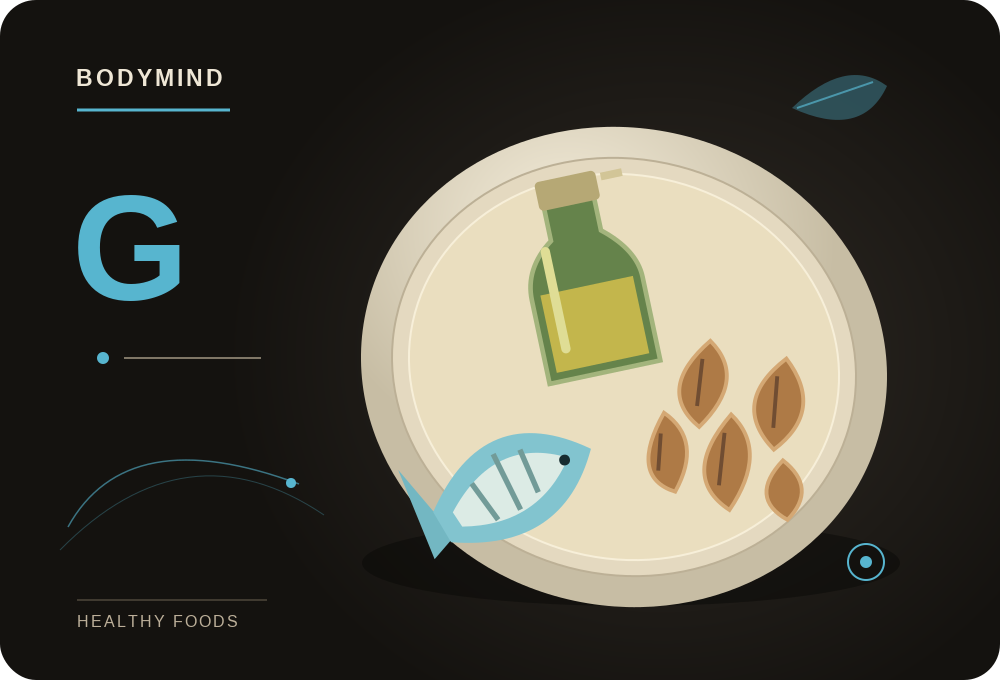
Almonds and peanuts
Offer options to complement meals or snacks; consider amount, added ingredients, and preferences when choosing.
Sunflower seeds
Can be added in small portions to preparations, providing texture and a source of vitamin E.
Vegetable oils and greens
Sunflower and other vegetable oils contribute; spinach and broccoli can also add to dietary supply.
In your diet
Nuts and seeds can complement varied meals, with attention to portions. Antioxidant activity describes a biological function and does not promise to prevent aging or disease; the overall diet remains important.
Ideas for everyday meals
- Alternate available nuts and seeds, using amounts that fit the preparation and the overall meal.
- When comparing oils, also consider types of fat and the amount used, alongside vitamin E.
- Check form, unit, and portion before combining values from different references, especially when alpha-tocopherol is specified.
Myth or fact?
The food with the most vitamin E is always the best choice.
What to understand
The choice depends on preparation, portion, and the whole diet. The vitamin is one useful comparison point, but variety combines nutritional roles that a single indicator cannot show.
Common questions
Does antioxidant mean preventing aging?
No. The term describes a role in cell protection. Aging or disease outcomes require their own evidence and cannot automatically be inferred from the vitamin’s presence in food.
Does every vegetable oil contain the same vitamin E?
No. Composition varies between foods and products. Compare specific information using equivalent portions and consider the fats present and how the oil will be used.
Does more vitamin E make a meal better?
A complete comparison needs more information. Food quantity, fiber, protein, types of fat, and other nutrients can change together; the highest vitamin number does not decide everything.
Further reading
Institutional references behind this guide.
Keep exploring
Nutrients work together. Explore other parts of that relationship.