Fat: energy and vitamin absorption
Fat is part of the diet and supplies concentrated energy. It also helps the body absorb vitamins A, D, E, and K. Its quality depends on the types of fat present as well as the amount eaten.
3 min read
Understand the nutrient
Fats form part of the diet and important body functions. They provide concentrated energy and help absorb vitamins that dissolve in fat. Understanding total fat also means considering the types present and how the foods were prepared.
What it does
Choose an icon to explore its role. Use the arrow keys to move between icons.
Energy supply and storage
Fats contribute energy used by the body alongside other dietary components.
A closer look
Energy, structure, and absorption
Fat supplies more energy per gram than carbohydrate or protein. It also forms part of cell structures and supplies essential fatty acids that must come from food. Vitamins A, D, E, and K are fat-soluble because their absorption is related to fat. These roles explain its importance without making every increase in amount beneficial.
The total contains different types
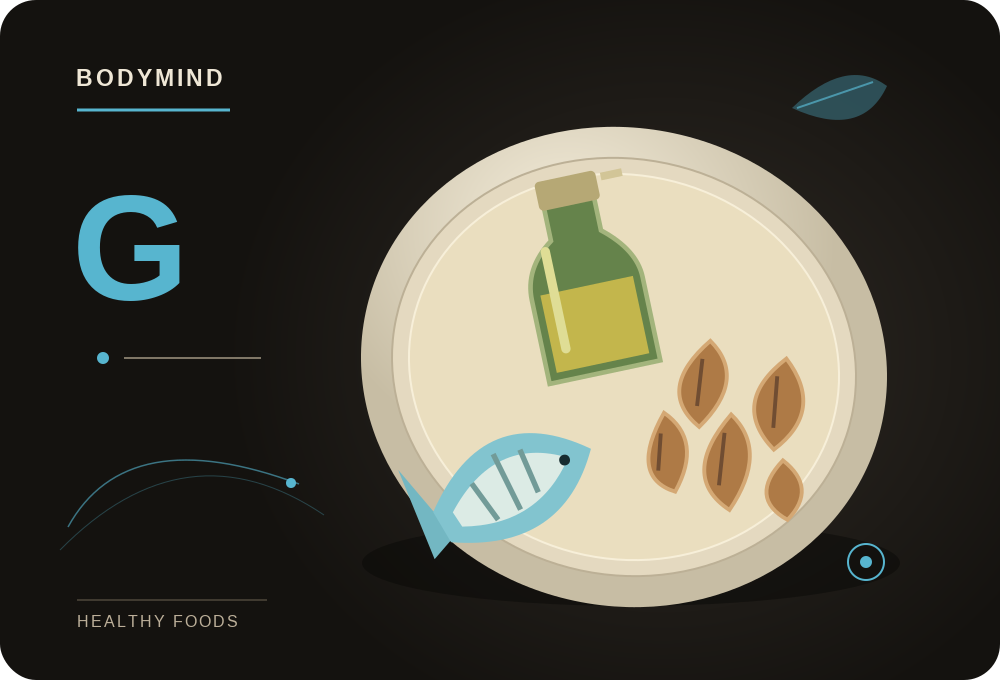
Unsaturated, saturated, and trans fats have different characteristics. Foods usually contain a mixture, and the total alone does not show that distribution. Olive oil, nuts, and fish can contribute unsaturated sources. Saturated and trans fat deserve separate consideration. Comparing replacements between sources is more meaningful than treating every fat as identical.
Cooking also contributes
Cooking oil, butter in mash, skin, and sauces can change both the amount and types of fat. Comparing foods with the same name therefore requires attention to the recipe. An estimate based only on the vegetable or meat cut may omit these additions. Check ingredients and portion size before concluding that two dishes share a profile.
Where to find it
Open each food to understand its connection with this nutrient.
Olive oil and vegetable oils
Contribute fat, often unsaturated; profiles vary between oils and portion size still matters.
Nuts and seeds
Supply fat alongside components such as fiber and minerals within a whole food.
Fish
Fat types and amounts vary between species. Lean fish and oily fish do not have identical profiles.
In your diet
Read total fat alongside saturated and trans fat. When putting meals together, sources of unsaturated fat can replace some sources richer in saturated fat; portion size still matters.
Ideas for everyday meals
- Read total fat alongside saturated and trans fat, without adding included components again.
- When comparing mash or meat, check whether butter, oil, skin, and sauces are represented.
- Consider substitutions between sources and the whole meal, rather than reducing one number in isolation.
Myth or fact?
A meal containing fat cannot be balanced.
What to understand
Fats have body functions. Food composition and fat types matter more than treating their mere presence as a problem.
Common questions
Should all fat be avoided?
No. The body uses fat and needs essential fatty acids. Type, source, and amount help explain its contribution.
Do all vegetable oils have the same profile?
No. Coconut and palm have different saturated-fat proportions from many other oils. Plant origin alone does not describe composition.
Does total fat include saturated fat?
Yes. Saturated fat is part of the total, as are other types. Separate lines describe composition and should not be added to the total.
Further reading
Institutional references behind this guide.
Keep exploring
Nutrients work together. Explore other parts of that relationship.