Vitamin A: vision, cells, and immunity
Vitamin A is important for normal vision, growth, and immune function. Food can provide preformed vitamin A or carotenoids that the body can convert into vitamin A.
3 min read
Understand the nutrient
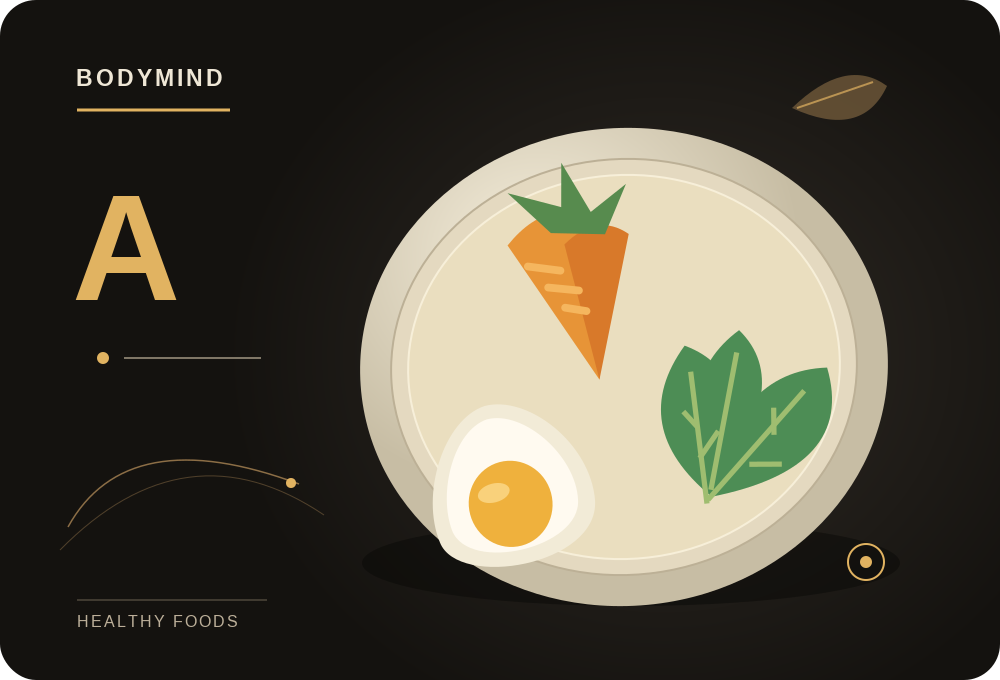
Carrots are a familiar example, but vitamin A has a broader food story. Understanding its forms helps connect vegetables, eggs, and fish with vision, cells, and immunity, without turning one ingredient into a health promise.
What it does
Choose an icon to explore its role. Use the arrow keys to move between icons.
Normal vision
Takes part in processes used in vision. Its nutritional role does not mean correcting nearsightedness or replacing eye care.
A closer look
Two ways to reach the body
Animal foods can provide preformed vitamin A. In plants, some carotenoids act as precursors that the body converts into vitamin A. This explains why carrots and eggs belong in the same conversation despite providing different forms. Not every plant pigment can be converted, and color alone cannot establish vitamin content.
A unit that accounts for the forms
The expression µg RAE means micrograms of retinol activity equivalents. It represents the activity of different vitamin A sources on a common basis. When comparing tables, look for the full unit: micrograms of beta-carotene and micrograms RAE are not the same measurement. Food quantity and recipe composition also change the result.
Variety beyond the famous food
A plate can combine leafy greens with orange vegetables, while other meals include eggs, dairy foods, or fish. This arrangement expands the options without requiring one particular food every day. Vitamin A is fat-soluble, but that does not call for large amounts of oil: consider the whole preparation, including fats already present.
Where to find it
Open each food to understand its connection with this nutrient.
Carrots and squash
Provide carotenoids; alternate them in side dishes, soups, and preparations with other vegetables.
Spinach and other greens
Also belong among plant sources. Green color can hide orange pigments present in these foods.
Eggs and dairy foods
Can supply the preformed form; content depends on the food and the portion actually eaten.
In your diet
Varying green and orange vegetables is a practical way to diversify meals. Having a role in immunity does not mean that eating more vitamin A provides extra protection against disease.
Ideas for everyday meals
- Alternate green and orange vegetables across the week, choosing preparations that fit your routine.
- When comparing meals, confirm that values use µg RAE and that portions are similar in size.
- Treat vitamin A as one piece of meal information and also consider fiber, protein, and types of fat.
Myth or fact?
Every beta-carotene food contains the same amount of usable vitamin A.
What to understand
Content and activity vary between foods and forms. RAE helps compare sources, and portion size must accompany the number for the comparison to make sense.
Common questions
Do only orange foods contain vitamin A?
No. Leafy greens supply carotenoids, and foods such as eggs and some fish can provide preformed vitamin A. Appearance does not replace composition information.
Do more carrots improve every vision problem?
No. The vitamin supports normal vision, but different vision problems have their own causes. Knowing its role helps with food planning without providing an eye treatment.
Does a low meal value indicate deficiency?
No. A meal is only part of intake, and its table may contain ingredients with incomplete information. Nutritional status involves the overall diet and individual factors.
Further reading
Institutional references behind this guide.
Keep exploring
Nutrients work together. Explore other parts of that relationship.