Sulfur: amino acids and food composition
Sulfur forms part of molecules such as the amino acids methionine and cysteine. Its relationship with protein and other food compounds helps explain why an element should not be treated as a mandatory standalone supplement.
3 min read
Understand the nutrient
Sulfur occurs in food as part of different molecules, including amino acids in proteins such as methionine and cysteine. That connection makes it different from seeking an isolated mineral on a plate. Understanding food structure is more useful than assuming sulfur needs to be added separately to the usual diet.
What it does
Choose an icon to explore its role. Use the arrow keys to move between icons.
Amino acid structure
Sulfur forms part of some amino acid structures, helping explain how different molecules participate in protein composition.
A closer look
An element within proteins
Methionine and cysteine contain sulfur in their structure. Dietary proteins can provide these amino acids, and the body uses amino acids in different construction and renewal processes. It is not appropriate to assign every protein effect to sulfur alone or treat foods as equivalent simply because they share this chemical element.
Different molecules need different interpretations
Sulfate, sulfur-containing amino acids, and other compounds are not the same composition measurement. A reference for one form does not automatically quantify the others. The National Academies report did not establish a separate sulfate intake recommendation for people with sufficient sulfur amino acid intake. That does not create an extra target for each meal.
Varied sources without detox promises
Meat, eggs, dairy foods, and legumes contribute protein, while vegetables can contain different sulfur compounds. This variety helps explain the element’s occurrence in food. Smell, taste, or the word sulfur on a product does not establish a detox effect, a hair benefit, or a supplement need. Those claims require their own evaluation.
Where to find it
Open each food to understand its connection with this nutrient.
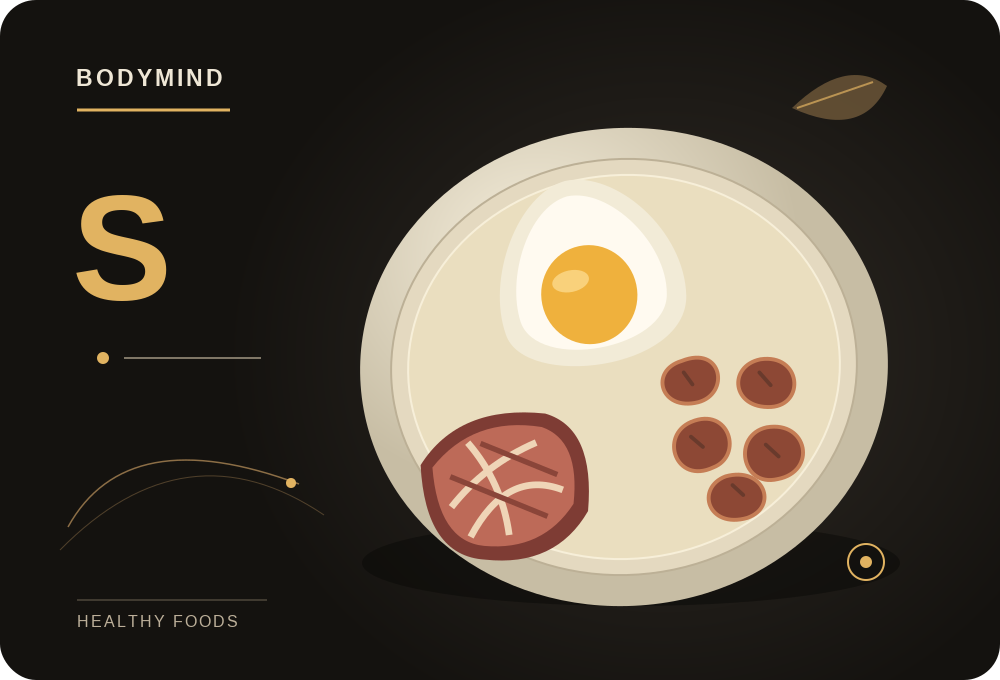
Eggs and animal foods
Supply proteins with different amino acids. Their contribution belongs in the food and portion context rather than an isolated supposed sulfur effect.
Legumes
Beans and lentils are among plant protein options. Combinations and variety are more useful than seeking one molecule in a meal.
Varied vegetables
Broccoli and other vegetables illustrate compound diversity. Appearance and aroma do not establish an exact nutritional amount for a recipe.
In your diet
The National Academies did not establish a separate sulfate recommendation when sulfur amino acid intake is sufficient. This guide creates no extra target or detox promise.
Ideas for everyday meals
- Plan protein sources and food variety without creating an isolated sulfur target for each meal.
- Check whether a reference describes the element, sulfate, or amino acids before comparing numbers and units.
- Interpret sulfur product promises separately from biochemical roles explained in an educational food guide.
Myth or fact?
Every food with sulfur compounds works as a detox agent.
What to understand
Chemical presence does not establish a treatment effect. These foods can belong in varied meals without the guide assigning a body-cleansing function or recommending supplements.
Common questions
Are sulfur and protein the same thing?
No. Sulfur is an element found in some amino acids. Proteins are molecules built from amino acids and cannot be described by that element alone.
Is there an extra target for adding sulfur to food?
This guide does not set such a target. The relationship with sulfur amino acids and the absence of a separate sulfate recommendation do not justify self-directed supplementation.
Does a food smell measure its content?
No. Aroma depends on compounds and preparation. It does not replace composition analysis or allow the element to be calculated in a prepared portion.
Further reading
Institutional references behind this guide.
Keep exploring
Nutrients work together. Explore other parts of that relationship.