Molybdenum: small amounts and cellular roles
Molybdenum participates in enzymes processing protein components and genetic material. Legumes, grains, and other foods show how a less familiar mineral can belong in everyday eating.
3 min read
Understand the nutrient
Molybdenum participates in cellular processes despite being needed in small amounts. Its name is less familiar in food discussions, but legumes, grains, and other foods help explain its everyday presence. Knowing about it broadens understanding without requiring a special ingredient or an individual calculation at every meal.
What it does
Choose an icon to explore its role. Use the arrow keys to move between icons.
Cell reactions
Participates in enzymes that help process protein components and genetic material during normal body activities.
A closer look
Small amounts and enzyme work
The body uses molybdenum in enzymes involved in processing protein components and genetic material. This biochemical role does not mean the mineral supplies calories or produces a noticeable effect immediately after eating. Its useful place is among the elements participating in cellular reactions alongside many other components of food.
Dietary variety and variable composition
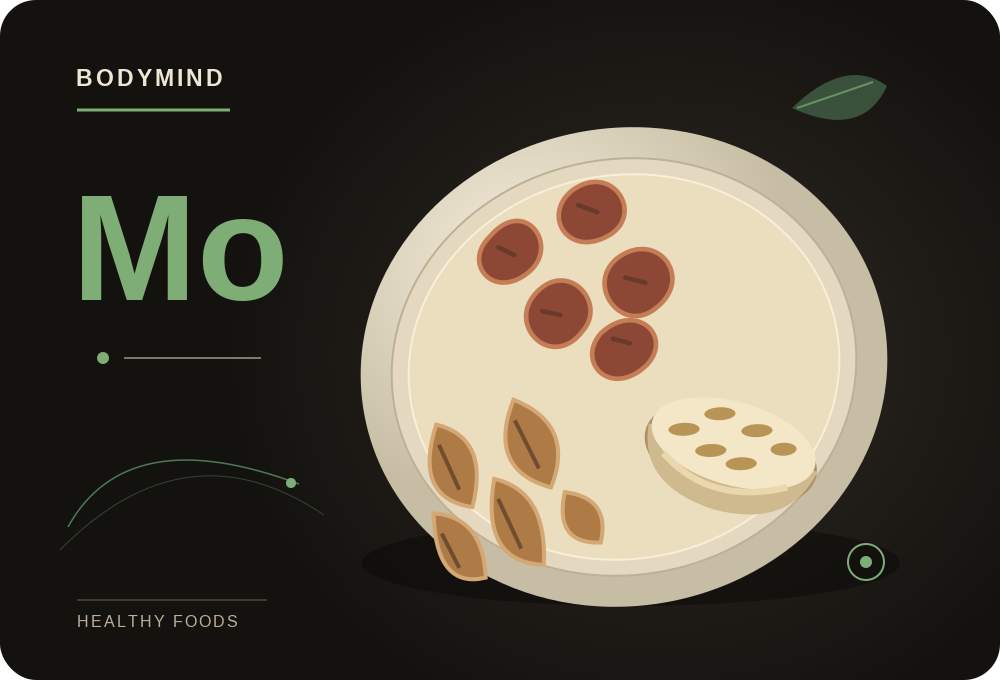
Beans, grains, nuts, potatoes, and some animal foods can contribute molybdenum. Content depends in part on soil and water used in production. Foods with the same name can therefore have different results. A reference table describes a sample or database rather than every recipe prepared in a kitchen.
A role is not a health promise
Participation in enzymes processing substances does not justify calling food a detox product or a way to remove medicines from the body. NIH reports that effects of molybdenum on diseases or health conditions are unknown. This guide explains sources and roles while keeping nutrition information separate from individual clinical decisions.
Where to find it
Open each food to understand its connection with this nutrient.
Beans and other legumes
Are source examples that also provide protein and fiber, making the meal combination more informative than one isolated mineral.
Grains and nuts
Can contribute in different preparations. Content depends on the type, origin, and amount actually present in a portion.
Dairy and animal foods
Milk, eggs, and meat broaden source options without establishing equivalent portions or a requirement to eat them all.
In your diet
Sources vary with soil, water, and the food. The enzyme role does not turn a meal into a detox product or allow missing recipe data to be filled.
Ideas for everyday meals
- Alternate grain and legume sides according to preference, availability, and the rest of the meal.
- When comparing references, check the food, preparation, and portion rather than only the mineral name.
- Question detox promises based on an enzyme function described without its broader biological context.
Myth or fact?
Its enzyme role makes molybdenum a food detox agent.
What to understand
Describing a body reaction does not establish a treatment benefit. This guide does not recommend increasing the mineral, changing medicines, or using a product to detox.
Common questions
Is one special food needed for molybdenum?
No. It occurs in different food groups. Variety allows contributions across the usual diet without turning one ingredient into a daily requirement.
Does molybdenum supply energy?
It does not supply calories like carbohydrate, protein, and fat. Its role concerns enzyme reactions, which differ from the amount of energy in food.
Can I calculate it just because beans are included?
Not precisely. The amount and a suitable reference are needed; soil, water, and preparation also influence food composition and the estimate.
Further reading
Institutional references behind this guide.
Keep exploring
Nutrients work together. Explore other parts of that relationship.