Vitamin B1: thiamin and energy use
Thiamin, also called vitamin B1, helps the body use energy from food. It is one of the B vitamins and takes part in cell growth, development, and function.
3 min read
Understand the nutrient
Thiamin is the name for vitamin B1. It helps explain how the body uses food: supplying energy and participating in reactions that make it usable are different roles. Grains, legumes, and some protein foods belong in this story of cellular metabolism.
What it does
Choose an icon to explore its role. Use the arrow keys to move between icons.
Energy use
Takes part in energy metabolism. This explains nutrition without promising an immediate boost after eating one food.
A closer look
Energy depends on transformations
Rice, beans, and other foods contain components that the body transforms through digestion and metabolism. Thiamin participates in stages of that use. It is not fuel and does not add calories like carbohydrates and fat. A useful distinction is between energy available in food and the cellular processes needed to use it.
Consistency matters more than a perfect meal
The body stores thiamin in small amounts. In practice, recognizing regular food sources is more useful than depending on an exceptional dish. The cooking goal can be simple: alternate grains and legumes, combine side dishes, and consider what other meals will contain. One eating occasion does not summarize the day.
Natural and enriched are different pieces of information
B1 occurs naturally in several foods and can also be added to enriched products. Bread or cereal should only be described as enriched when the product confirms it. When reading a recipe, distinguish ingredient type from the brand used: similar products can have different compositions, without one number defining their quality.
Where to find it
Open each food to understand its connection with this nutrient.
Whole grains
Brown rice and other grains expand side-dish options and can contribute thiamin throughout the week.
Beans and seeds
Legumes and seeds offer plant options; varying types and preparations avoids depending on the same ingredient.
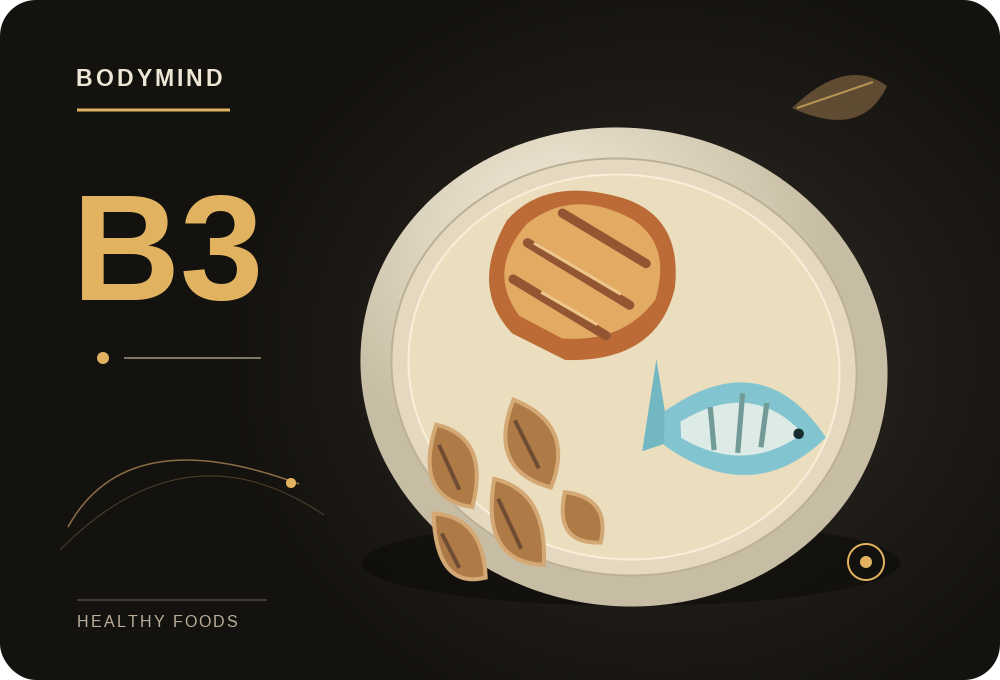
Pork and fish
Are examples of animal sources. Consider the cut, preparation, and the rest of the meal when choosing.
In your diet
Combining grains, legumes, and other sources throughout the day adds variety. The vitamin participates in energy metabolism, but supplies no calories and does not make one meal a guarantee of feeling energetic.
Ideas for everyday meals
- Plan a few simple grain-and-legume combinations using foods available at home.
- Check labels to see whether bread, pasta, and cereals are enriched, rather than assuming all are alike.
- Compare B1 content alongside portion weight; a larger plate may supply more because it contains more food.
Myth or fact?
A meal high in B1 speeds up metabolism.
What to understand
Participating in metabolism is a normal vitamin function, without implying acceleration or weight loss. Knowing the sources helps organize variety and consistency while considering complete meals.
Common questions
Are B1 and thiamin different nutrients?
No. They are two names for the same vitamin. Recognizing both helps locate information in tables, labels, and educational sources that use different terminology.
Does thiamin supply energy like rice?
No. Rice supplies energy-containing macronutrients. Thiamin participates in the reactions that use them, but its milligram value should not be added to calories.
Does tiredness mean I need more B1?
Tiredness has many explanations and does not identify one vitamin by itself. This guide explains food sources; persistent symptoms need an assessment that considers the whole person.
Further reading
Institutional references behind this guide.
Keep exploring
Nutrients work together. Explore other parts of that relationship.