Phosphorus: bones and energy processes
Phosphorus is a mineral present in every cell. Much of it is in bones and teeth, but it also forms part of genetic material and takes part in chemical processes that allow the body to use energy.
3 min read
Understand the nutrient
Phosphorus occurs in every cell and contributes to structures and energy processes. Much is found in bones and teeth. Its presence across food groups makes everyday meals useful sources without requiring one ingredient to represent the mineral.
What it does
Choose an icon to explore its role. Use the arrow keys to move between icons.
Mineralized tissues
Contributes to bones and teeth alongside calcium and other components.
A closer look
Bones and active cells
Alongside calcium, phosphorus contributes to mineralized tissues. It also forms part of cellular components and genetic material and supports energy use. These complementary roles involve lasting structures and ongoing reactions. They do not mean that eating more phosphorus automatically increases energy production or immediately strengthens bones.
Animal and plant sources
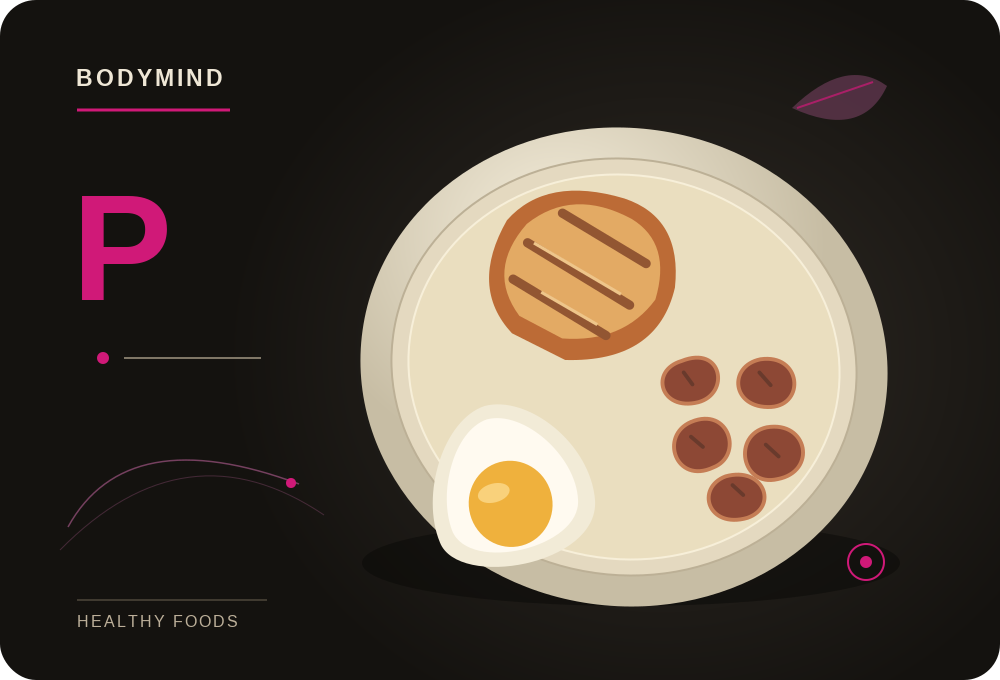
Dairy, meat, poultry, fish, and eggs contain phosphorus. Whole grains, legumes, seeds, and nuts contribute too. A varied meal can therefore combine several sources. A table gives the portion’s amount, while absorption can vary with the form of phosphorus in food.
Ingredients and additives deserve distinction
Some products include phosphorus-containing ingredients or additives such as phosphates. A reference based only on meat or grain may therefore not describe a formulated product. Ingredient lists add context, although they may not provide a numeric phosphorus amount. Identifying a name cannot precisely reconstruct everything in the preparation.
Where to find it
Open each food to understand its connection with this nutrient.
Milk and yogurt
Also provide calcium and protein, combining several nutrients in one portion.
Fish and meat
Supply phosphorus, while cut, species, and additions change the preparation’s profile.
Lentils and beans
Plant sources alongside fiber and protein, showing that phosphorus does not require animal origin.
In your diet
Different food groups contribute to intake. Some processed products also contain phosphorus additives; if those ingredients are not detailed, a meal estimate may represent only part of the total.
Ideas for everyday meals
- Compare prepared foods in similar portions and identify recipe contributions.
- Use ingredients to notice phosphates without inventing an amount from the name.
- Read phosphorus alongside calcium and other information rather than reducing bones or energy to one mineral.
Myth or fact?
A high phosphorus number automatically makes food better.
What to understand
The mineral has important roles, but food should be understood through portion and overall composition rather than maximizing one value.
Common questions
Is phosphorus found only in animal foods?
No. Legumes, grains, seeds, and nuts can contribute too. The mineral occurs naturally across different food groups, and its form varies between sources.
Does an energy role mean it supplies calories?
No. Supporting metabolic reactions differs from supplying dietary energy. Calories come from other food components.
Does phosphate on a label reveal the phosphorus amount?
No. An ingredient list identifies an ingredient, while the amount depends on formulation. A number requires specific information rather than an assumption.
Further reading
Institutional references behind this guide.
Keep exploring
Nutrients work together. Explore other parts of that relationship.