Fluoride: tooth enamel and exposure sources
Fluoride has an important relationship with tooth enamel. Water, foods prepared with it, and oral hygiene products belong to different contexts; this guide explains those routes without confusing hygiene with ingestion.
3 min read
Understand the nutrient
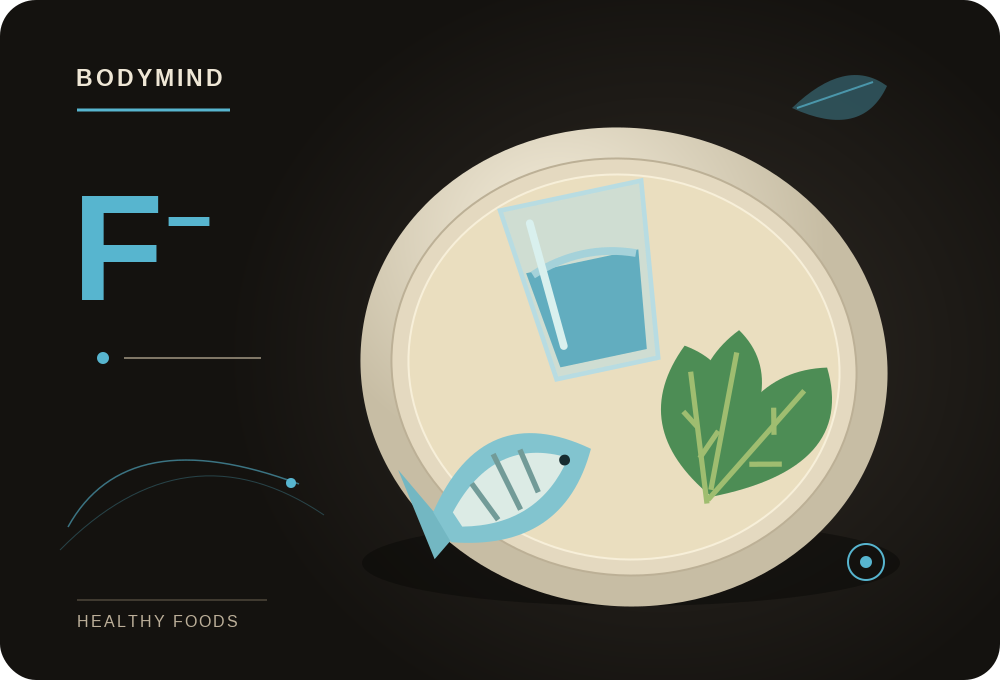
Fluoride is best known for its relationship with tooth enamel. Exposure can involve water, foods prepared with that water, and oral hygiene products. These are different routes, and understanding them avoids treating a meal as a measure of dental protection or confusing a hygiene product with food.
What it does
Choose an icon to explore its role. Use the arrow keys to move between icons.
Tooth surface
Helps protect tooth enamel within oral health care without establishing an individual guarantee against cavities.
A closer look
The main focus is tooth enamel
Fluoride helps strengthen the outer surface of teeth and is used in tooth-decay prevention strategies. That does not mean a particular meal replaces oral hygiene and dental care. Education needs to separate the element’s role from care practices, which also involve habits, suitable products, and individual circumstances.
Water changes the source context
Water may contain natural or added fluoride depending on the supply. Drinks and foods prepared with it can also contribute to exposure. A municipality or bottled water should not be characterized by name alone. Consult local service or product information when you need to understand that particular feature.
Do not turn oral hygiene into food intake
Toothpaste and some mouthwashes can contain fluoride, but they are not dietary sources to swallow. Products and use amounts need appropriate instructions and dental guidance when needed. This guide does not recommend supplements, swallowing hygiene products, or increasing exposure based on the composition of a meal.
Where to find it
Open each food to understand its connection with this nutrient.
Tap water
Its composition depends on the location and service. The illustration does not establish that a particular water supply is fluoridated.
Drinks made with water
Tea and coffee can reflect contributions from water and ingredients without allowing an individual exposure to be predicted.
Cooked foods
Cooking water can contribute to composition; yield and preparation would need to be known for a specific food estimate.
In your diet
Water composition depends on its source and supply. Toothpaste and mouthwash are not foods; this blog does not recommend swallowing them, starting supplements, or maximizing a table value.
Ideas for everyday meals
- Consult local water information rather than generalizing data from another municipality or country.
- Maintain oral hygiene practices according to product instructions and professional guidance relevant to your circumstances.
- Do not use a missing meal-table field as a reason to swallow products or begin supplementation.
Myth or fact?
The highest dietary fluoride amount is always the best outcome.
What to understand
Understanding depends on sources and exposure routes. The aim is not to maximize a number but to distinguish foods, water, and hygiene products without deriving a personal target from the blog.
Common questions
Does all water contain the same amount?
No. Source, treatment, and supply characteristics can differ. A reference value from another location does not identify the water you actually use.
Is toothpaste a food source?
No. It is an oral hygiene product and should not be swallowed. Its purpose and instructions differ from those of foods and drinks.
Can a meal with fluoride replace dental care?
No. Food composition does not establish individual tooth protection and does not replace hygiene, dental assessment, or recommendations specific to a person.
Further reading
Institutional references behind this guide.
Keep exploring
Nutrients work together. Explore other parts of that relationship.