Chloride: fluids, digestion, and its link with salt
Chloride is an electrolyte involved in fluid balance and digestive juices. It combines with sodium in table salt, but chloride, sodium, and salt are not interchangeable nutrition information.
3 min read
Understand the nutrient
Chloride is an electrolyte involved in fluid balance and present in substances dissolved in the body. Table salt is a familiar source because it combines sodium and chloride. Understanding this partnership helps interpret ingredients and distinguish elements often found together but representing different nutrition information.
What it does
Choose an icon to explore its role. Use the arrow keys to move between icons.
Fluid balance
It is an electrolyte participating in fluid balance alongside other elements and the body’s regulatory processes.
A closer look
Fluids and digestion
Chloride helps maintain body fluid balance and is part of stomach juices. These are normal functions rather than a reason to add more salt. Cooking needs to consider all ingredients and amounts added; knowing one component has a role does not make a high intake beneficial.
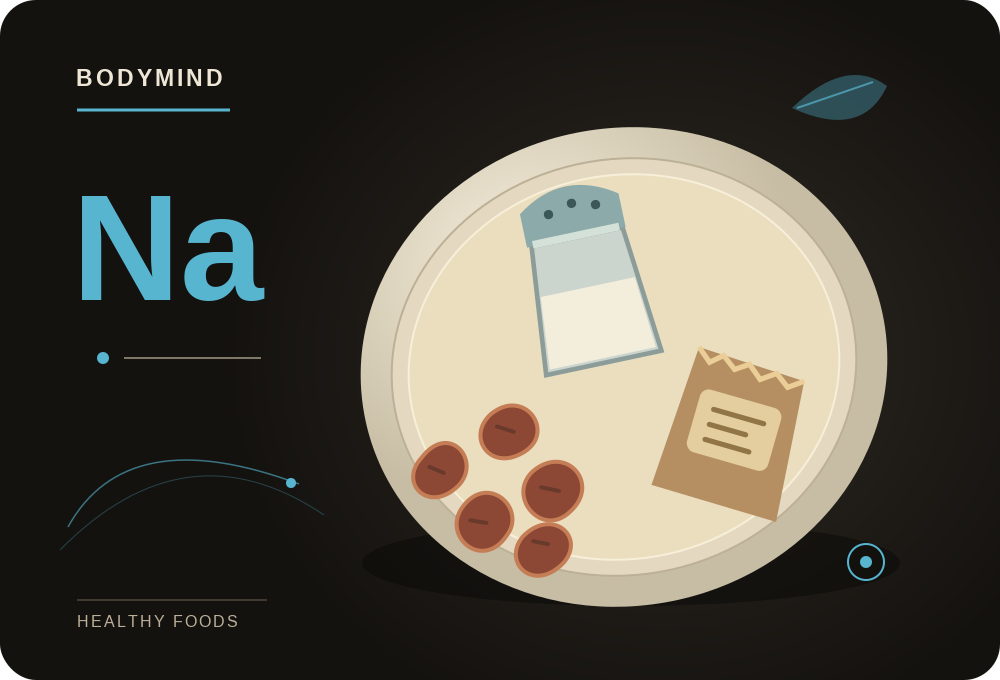
Chloride, sodium, and salt are different terms
Sodium chloride is a compound containing both elements. A product label may list sodium without separately reporting chloride. Some ingredients also contain other sodium or chloride compounds. One element value should therefore not automatically be treated as a complete measurement of the other element or of all salt used.
A reference needs to represent the recipe
Tomatoes, greens, and other foods can contain chloride naturally, in addition to sources added in cooking. Quantifying a recipe would require recording ingredients, salt, yield, and portions with suitable references. This blog explains the concept without filling missing meal-table values or deriving personal needs from them.
Where to find it
Open each food to understand its connection with this nutrient.
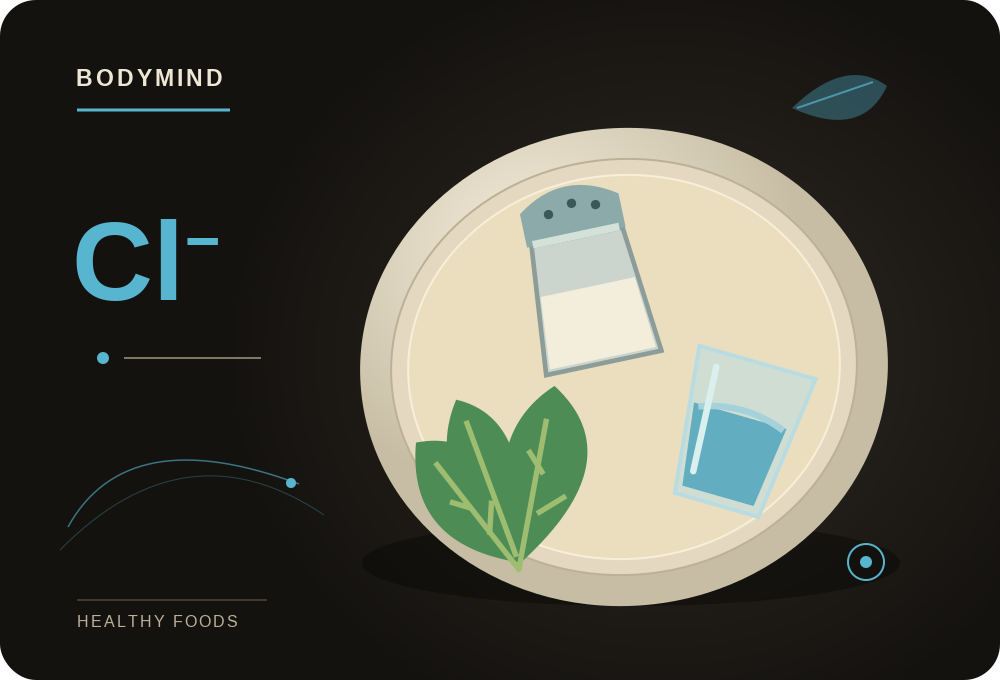
Salt used in cooking
Ordinary salt supplies sodium chloride. The illustration does not represent a recommendation to add more salt to a meal.
Tomatoes and greens
Illustrate foods that can naturally contain chloride; variety and portion belong in an understanding of food composition.
Bread and prepared foods
Can combine salt with other ingredients. Read product information because appearance and taste do not quantify each electrolyte.
In your diet
Knowing a role does not mean increasing salt. Recipe reading needs ingredients, yield, and actual amounts used rather than automatically converting all sodium into chloride.
Ideas for everyday meals
- Record salt actually used when organizing a recipe, including manufactured ingredients that contain it.
- Use available sodium information without assuming that it also quantifies all chloride compounds in the food.
- Choose preparations considering taste, variety, and existing individual guidance rather than seeking the largest electrolyte value.
Myth or fact?
Sodium and chloride are two names for the same nutrient.
What to understand
They are different elements that can occur together in table salt. Their information is not interchangeable, and the blog does not calculate missing recipe amounts from that relationship alone.
Common questions
Is chloride the chlorine used for cleaning?
These terms describe different forms and contexts. Food chloride should not be confused with cleaning products, which are not ingredients for preparing or eating meals.
Does its digestive role mean I should add salt?
No. A normal body function does not determine how much salt a person should use. The whole diet and specific individual guidance remain relevant.
Can sodium on the label stand for chloride?
Not as an automatic equivalence. The elements can occur in different compounds, and a recipe may contain sources not separately recorded in the food reference.
Further reading
Institutional references behind this guide.
Keep exploring
Nutrients work together. Explore other parts of that relationship.