Iron: transporting oxygen
Iron is needed to make hemoglobin, the red-blood-cell protein that transports oxygen, and myoglobin, which supplies oxygen to muscles. It also takes part in growth, development, and production of some hormones.
3 min read
Understand the nutrient
Iron supports oxygen transport and occurs in animal and plant foods. Its form helps explain differences in absorption. Understanding it means knowing sources and combinations, rather than using one meal’s table to infer whether someone has too little or too much iron.
What it does
Choose an icon to explore its role. Use the arrow keys to move between icons.
Oxygen transport
Hemoglobin uses iron in carrying oxygen from the lungs to tissues.
A closer look
Oxygen in circulation and muscles
The body uses iron to make hemoglobin, the red-blood-cell protein carrying oxygen around the body. Iron also supports myoglobin, associated with oxygen in muscles, and other normal processes. Its importance does not mean more iron in a dish provides immediate energy. The mineral supplies no calories and cannot identify the cause of tiredness by itself.
Heme and nonheme iron
Animal foods can supply heme iron, while plant sources contain nonheme iron. Their absorption differs. Vitamin C helps absorb nonheme iron, so citrus fruit and vegetables containing it can be useful combinations. The table still shows the amount present rather than an exact prediction of what an individual absorbs from that meal.
Variety without a single savior food
Meat, beans, lentils, and fortified foods offer different routes to dietary iron. One food need not carry the entire responsibility. Preparations differ in ingredients, portions, and content. In rice and beans, for example, beans contribute iron and other nutrients; understanding that contribution is more useful than only identifying the largest number.
Where to find it
Open each food to understand its connection with this nutrient.
Beef
Can supply heme iron; cut, cooking, and served weight change the portion’s reported amount.
Beans and lentils
Plant nonheme-iron sources that also bring fiber and protein to the meal.
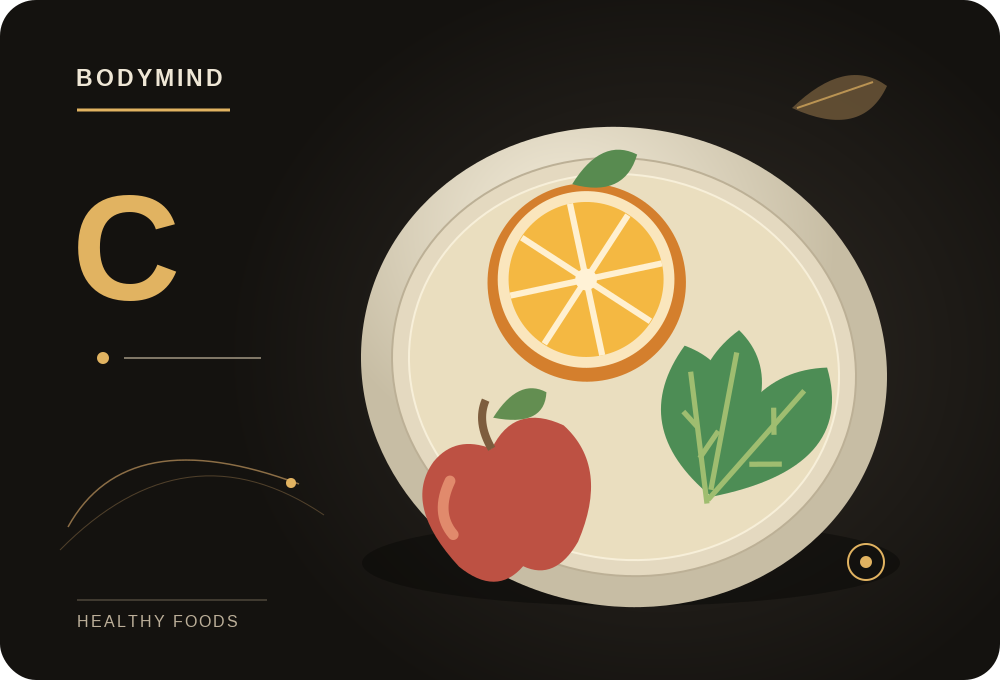
Orange and other vitamin C sources
Can accompany plant iron to support absorption, rather than replace an iron source.
In your diet
Plant iron is absorbed differently from iron from animal foods. Combining legumes with vitamin C foods helps absorption; one meal cannot diagnose anemia or iron deficiency.
Ideas for everyday meals
- Vary sources and consider vitamin C foods alongside plant iron.
- Compare equivalent portions and distinguish raw from prepared foods.
- Keep understanding meal iron separate from assessing body stores or individual results.
Myth or fact?
More iron in a meal guarantees immediate energy.
What to understand
Iron supports body functions but supplies no calories and cannot predict an immediate feeling from a dish.
Common questions
Does only meat contain iron?
No. Beans, lentils, some vegetables, and fortified foods contribute too. Their forms and absorption may differ.
Does vitamin C add iron to food?
No. It can help absorb nonheme iron already present. The combination does not create additional iron.
Can an iron-containing dish diagnose anemia?
No. The table describes food rather than the eater’s health. Intake and individual assessment are different information.
Further reading
Institutional references behind this guide.
Keep exploring
Nutrients work together. Explore other parts of that relationship.